Source Gas Desktop Donut Fryer for Bread, Pizza, and Chips
Compare 30 gas desktop donut fryer options featuring electric and gas power sources, varying capacities, and automatic or semi-automatic grades. These units support thermal processing for donuts, chips, bread, and pizza with customizable timing devices and ignition systems.
Key considerations
Products List


$50.00 - $80.00
Moq: 1

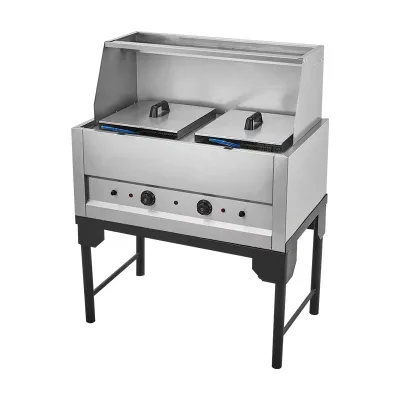


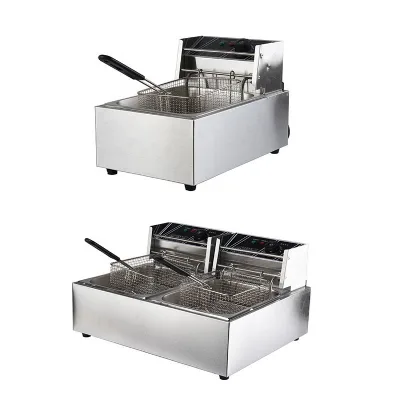


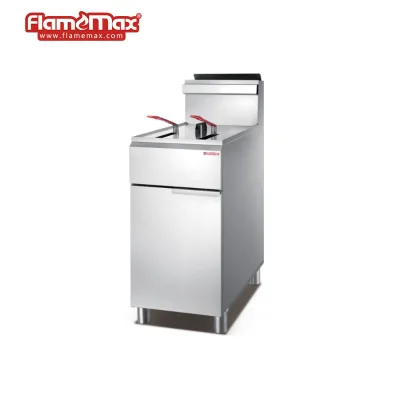


Comprehensive Sourcing Guide
Gas Desktop Donut Fryer Sourcing Guide
Sourcing a gas desktop donut fryer requires a careful balance between compact footprint efficiency and consistent thermal performance. Buyers must navigate a market where "desktop" classifications often overlap with small commercial units, necessitating precise verification of physical dimensions and gas consumption rates. The following guide outlines the critical verification steps, technical parameters, and commercial considerations necessary to secure a reliable unit that meets operational demands without compromising safety or space constraints.
Product Scope and Observed Listing Signals
The current market landscape for gas donut fryers presents a diverse array of configurations, ranging from simple batch fryers to automated continuous systems. Observed listing signals indicate a wide price range, typically spanning from $10 to $9,999 USD, which reflects significant variations in automation levels, material quality, and production capacity. Buyers should interpret this broad spectrum as an indicator that entry-level units may lack advanced timing devices or precise temperature controls, while higher-priced models often feature automatic feeding mechanisms and robust stainless steel construction designed for high-volume environments.
Specific product models observed in the market, such as the SY-BM15J and SY-TF600BJ-1, highlight the divergence between electric and gas-powered solutions. While some units are explicitly electric with 2.3 kW power ratings and compact packing dimensions of 300x450x350 mm, gas-powered alternatives like the SY-TF600BJ-1 offer higher thermal output, such as 41,000 BTU/Hr, with larger footprints. This distinction is crucial for buyers who must decide between the convenience of electric connectivity and the rapid heat recovery and lower operating costs often associated with gas-fired heating elements in commercial kitchens.
Technical Specifications to Verify
When evaluating technical specifications, the power source and heating capacity are paramount for ensuring consistent frying results. Gas units often specify their thermal output in BTU/Hr, with observed models featuring outputs around 41,000 BTU/Hr, which directly influences how quickly the oil returns to temperature after dough is added. Buyers must verify the number of burners and the presence of piezoelectric ignition systems, as these features impact both the ease of startup and the uniformity of heat distribution across the frying tank. Additionally, the tank capacity, such as the observed 12L/Tank specification, determines the batch size and overall throughput, requiring alignment with the expected daily production volume.
Physical dimensions and weight are critical for kitchen layout planning and installation logistics. Gas fryers tend to be heavier than their electric counterparts due to the robustness of the gas manifold and insulation requirements; for instance, observed gas models have net weights around 25 kg and gross weights near 29 kg, with packing dimensions extending to 660x700x580 mm. In contrast, electric models may be lighter, with net weights around 5 kg and smaller packing sizes. Buyers must also consider the standard footprint, such as 600x650x480 mm for certain gas units, to ensure the equipment fits within designated counter spaces while allowing for adequate ventilation and clearance around the unit.
Compliance and Safety Documentation
Safety compliance is non-negotiable when sourcing gas-powered equipment, as improper installation or lack of certification can lead to significant hazards. Buyers should prioritize suppliers who provide CE certification, which indicates adherence to European health, safety, and environmental protection standards. This certification is particularly important for units intended for export or use in regions that align with European regulatory frameworks. It is essential to verify that the certification covers not just the electrical components, if any, but also the gas combustion system, ensuring that emissions and leak prevention mechanisms meet recognized safety benchmarks.
Documentation should also include detailed operational manuals that specify the correct gas pressure requirements and maintenance schedules. For automatic or semi-automatic models, such as those with ISOCE certification, the documentation must clearly outline the procedures for routine cleaning and burner inspection to prevent carbon buildup or ignition failures. Buyers should request proof of these certifications and ensure that the supplier provides clear instructions on how to verify the integrity of the gas connections and the functionality of the safety shut-off valves before commissioning the equipment.
Cost Drivers and Commercial Terms
The cost of a gas donut fryer is influenced by several factors, including the material grade, automation level, and packaging requirements. Stainless steel construction is a common feature in higher-quality units, offering durability and ease of cleaning, which can justify a higher price point. Additionally, the level of automation, such as automatic versus semi-automatic operation, significantly impacts the cost. Units with advanced features like timing devices or automatic feeding mechanisms will command a premium compared to basic manual models, reflecting the complexity of the internal controls and sensors involved.
Commercial terms, including MOQ and packaging, also play a role in the total cost of ownership. Observed MOQs range from 1 to 30 units, allowing for flexibility in initial procurement, but buyers should be aware that larger orders may offer better per-unit pricing. Packaging is another critical consideration; export-standard packaging, such as fumigation-free wooden cases or plywood cases, is essential for protecting the unit during transit, especially for international shipments. Buyers should confirm that the packaging includes adequate cushioning and moisture protection to prevent damage to the gas lines and control panels during shipping.
Supplier Qualification and Quality Control
Supplier qualification involves verifying the manufacturer's ability to produce consistent, high-quality gas fryers. Buyers should look for suppliers with a proven track record in thermal processing equipment, particularly those specializing in donut or similar fried dough applications. The presence of specific product models, such as the HT-TTQ102, which is designed for chips but shares similar thermal processing principles, can indicate a supplier's versatility and expertise in handling various frying applications. However, buyers must ensure that the supplier has specific experience with donut fryers to guarantee optimal oil circulation and dough handling features.
Quality control processes should include rigorous testing of the gas ignition system, temperature stability, and structural integrity. Buyers should inquire about the supplier's internal quality assurance protocols, such as pressure testing of gas lines and performance validation of the heating elements. Additionally, the condition of the product, whether new or refurbished, should be clearly stated, with new units offering the advantage of full warranty coverage and untested components. Suppliers who provide detailed inspection reports or allow for third-party quality checks before shipment can significantly reduce the risk of receiving defective equipment.
Long-Term Procurement Checks
Long-term procurement success depends on the availability of spare parts and the supplier's support infrastructure. Buyers should verify the availability of critical components such as burners, thermocouples, and control boards, which are subject to wear and tear over time. Suppliers who maintain a robust inventory of spare parts and offer technical support for troubleshooting can minimize downtime and extend the lifespan of the equipment. It is also advisable to establish a clear communication channel with the supplier for ongoing technical assistance and to stay informed about any updates or improvements to the model.
Finally, buyers should consider the adaptability of the equipment to future operational needs. Some models offer customization options, such as adjusted capacities or specific voltage requirements, which can be valuable if business demands change. The ability to customize the unit, as indicated by the "Customization: Available" attribute, allows buyers to tailor the equipment to their specific kitchen layout or production volume. However, buyers should confirm the lead times and additional costs associated with customization to ensure that these modifications align with their procurement timeline and budget constraints.
FAQs
What power sources are available for gas desktop donut fryers?
Some models operate with electric power sources while others use gas. Specific units may feature 220V electric input or 41000 BTU/Hr gas burners. Buyers should verify the specific power requirement for their intended installation before purchasing.
Can I find customized gas desktop donut fryers with timing devices?
Yes, customization is available for many units in this category. Some models come equipped with timing devices for precise control, while others may not include this feature. Buyers can request specific configurations to match their production needs.
What are the typical dimensions for a gas desktop donut fryer?
Dimensions vary significantly depending on the specific model and capacity. Common sizes include 300*450*350 mm for smaller units and 660*700*580 mm for larger industrial versions. Always check the product standard dimensions before ordering.
Which certifications are commonly found on gas desktop donut fryers?
Many units carry CE certification to ensure safety and compliance. Some manufacturers also provide ISOCE certification for their equipment. Buyers should request valid certification documents to verify the safety standards of any supplier.
How much does a gas desktop donut fryer typically weigh?
Net weights range from 5kg for compact electric models to 25kg for larger gas units. Gross weights are slightly higher, often around 6kg to 29kg depending on packaging. Heavier models usually indicate higher capacity or robust construction.
What is the minimum order quantity for gas desktop donut fryers?
The minimum order quantity can be as low as 1 unit for many suppliers. Some vendors may have higher thresholds depending on customization or bulk pricing. Buyers should confirm the specific MOQ with the manufacturer before placing an order.
Can gas desktop donut fryers be used for other baked goods?
While designed primarily for donuts, some models can process chips or bread. The application depends on the specific machine design and capacity. Buyers should verify the intended usage with the supplier to ensure suitability for their products.